


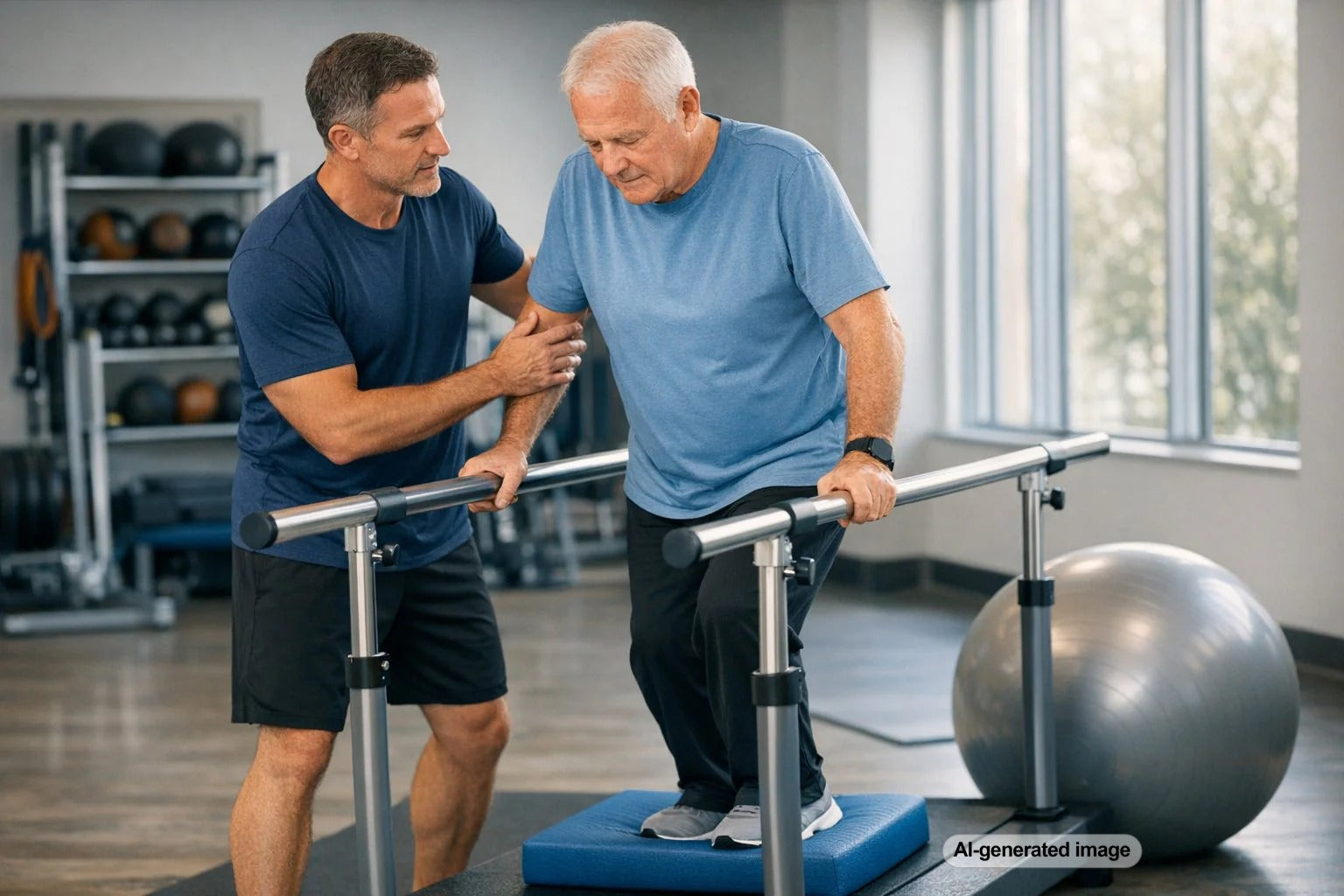
It's time to explore how thoughtful equipment choices can completely change the training experience for individuals living with Parkinson's disease. For gym owners and facility operators, creating a safe, confidence-building environment is not just a value add, it is a responsibility and a powerful differentiator. When balance and stability are the priority, even small equipment decisions can dramatically improve safety, independence, and long-term engagement. Whether you are upgrading your functional training accessories or building out a specialized wellness zone, the right setup helps your facility serve a wider audience with purpose.
Why Balance and Stability Training Matters for Parkinson's
Parkinson's disease directly affects motor control, coordination, and postural stability. This means clients often experience reduced balance, slower reaction times, and an increased risk of falls. For fitness facilities, that creates both a challenge and an opportunity. With the right equipment, you can support safer movement patterns while helping clients maintain strength, confidence, and mobility.
The key is not intensity, but control. Equipment that promotes gradual progression, predictable movement paths, and tactile feedback becomes essential. This is where strategic equipment selection makes all the difference.
Core Equipment Categories That Make an Impact
When designing a Parkinson's-friendly training space, focus on equipment that enhances stability while still allowing functional movement. Here are the most effective categories to prioritize:
- Stable Cardio Machines: Recumbent bikes and low-step treadmills with handrails provide controlled movement with minimal fall risk.
- Supportive Strength Equipment: Pin-loaded machines allow controlled resistance without the unpredictability of free weights.
- Balance Training Tools: Foam pads, stability trainers, and balance discs help improve proprioception in a safe, scalable way.
- Grip and Coordination Tools: Light dumbbells, resistance bands, and medicine balls support fine motor control and coordination.
Creating Safer Strength Training Environments
Free weights can still play a role, but they need to be introduced carefully. For Parkinson's clients, stability always comes first. Equipment that reduces the need for stabilization allows users to focus on movement quality instead of balance.
Pin-loaded machines are a strong foundation because they guide motion and reduce injury risk. For facilities looking to expand safely, exploring pin-loaded strength equipment can provide a structured, approachable entry point for these users.
Additionally, seated exercises should be prioritized early on. Seated rows, chest presses, and leg extensions allow clients to build strength without compromising balance.
Balance Tools That Build Confidence
Balance training does not have to be intimidating. In fact, the most effective tools are often simple. Foam pads, balance cushions, and low-profile stability trainers allow users to safely challenge their equilibrium without overwhelming them.
The goal is progression, not perfection. Start with stable surfaces and gradually introduce instability as confidence improves. This creates measurable wins for clients and reinforces long-term adherence.
For facilities, stocking versatile tools from a functional accessories collection ensures you can scale exercises for different ability levels without needing constant equipment changes.
Flooring: The Overlooked Safety Upgrade
One of the most underrated factors in Parkinson's-friendly design is flooring. Shock-absorbing, non-slip surfaces significantly reduce fall risk while improving user confidence.
High-quality flooring also provides subtle feedback underfoot, helping users better understand their positioning and movement. Investing in durable, performance-focused surfaces like those found in the fitness flooring range is a smart move for both safety and longevity.
Programming Considerations for Facility Owners
Equipment alone is not enough. The way it is used matters just as much. Parkinson's-focused programming should emphasize:
- Slow, controlled movements
- Consistent repetition to reinforce motor patterns
- Clear visual and verbal cues
- Minimal environmental distractions
Designing dedicated zones or time blocks for these users can also improve comfort and participation. When clients feel safe, they stay consistent. And consistency drives results.
Business Value: Expanding Your Member Base
From a business standpoint, catering to specialized populations like Parkinson's clients opens new revenue opportunities. It positions your facility as inclusive, knowledgeable, and community-driven.
These clients often look for long-term solutions, not short-term workouts. That means higher retention, stronger relationships, and increased word-of-mouth referrals. With the right equipment and layout, you are not just adding a service, you are building a reputation.
Final Takeaway: Build for Confidence First
When it comes to Parkinson's-focused training, every decision should answer one question: does this make the user feel more stable and confident? If the answer is yes, you are on the right track.
By combining supportive strength equipment, smart accessory choices, and safety-first design, your facility can deliver meaningful results while standing out in a competitive market. Thoughtful equipment is not just about performance, it is about trust, safety, and long-term success for every user who walks through your doors.